
Every antique has a story—knowing it makes all the difference
A vintage watch, a porcelain vase, an old toy from the attic—each sparks one question: “What exactly is this?” Bring identification tools, historical references, and pricing together to decide with confidence.
The growing interest in collecting
Some collectors preserve history; others appreciate craftsmanship, heirlooms, or the thrill of discovery at auctions and estate sales. As collections grow, so does the need for trustworthy information.

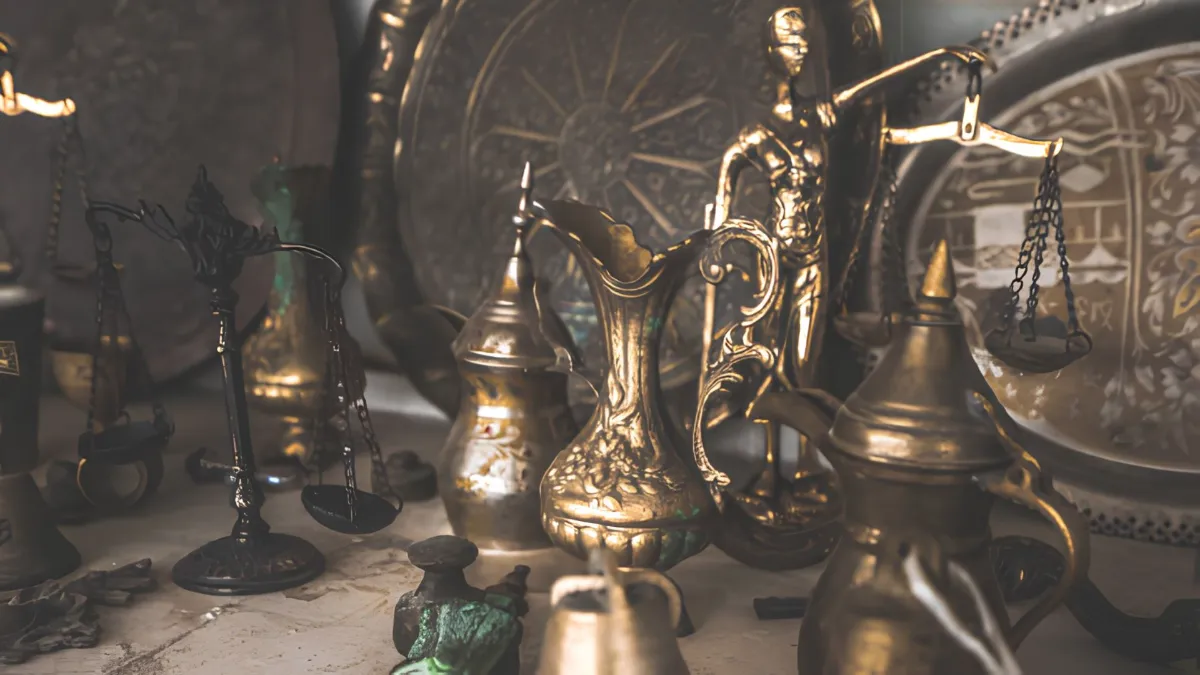
Fig. 1 — Identifying marks often hold the key details
Thousands of results, little clarity
Photos look similar but represent different manufacturers. Listings show asking prices instead of actual sale prices, and descriptions lack historical context. Without reliable references, authenticity, age, maker, and value are hard to determine.
A reliable reference turns a vague guess into a grounded starting point.
Many collectors prefer resources designed specifically for antiques rather than general search engines.
Photos rarely tell the whole story
Two items can look nearly identical in a photo and still differ in maker, period, or region. Identification often depends on marks, construction details, and materials that a single image doesn’t capture.
Asking price is not sale price
General marketplaces display what a seller hopes to receive, not necessarily what buyers have actually paid. Price guides built from sales and market data offer a different reference point.
Context is part of the value
A maker’s history, the period a piece was produced in, and how common or rare a variation is all shape how collectors and appraisers think about an item—context that generic listings rarely include.
Categories collectors research most
Antiques and collectibles span a wide range of materials and periods. These are illustrative categories—the resource below covers many more.
Ceramics & Porcelain
Marks, glazes, and manufacturer stamps help date pottery and porcelain pieces.
Silver & Metalware
Hallmarks and touchmarks often reveal maker, region, and period.
Furniture & Case Pieces
Joinery, hardware, and wood species offer clues to age and origin.
Books & Manuscripts
Edition details, bindings, and provenance affect how a volume is researched.
Fine Art & Prints
Signatures, mediums, and framing history inform attribution.
Jewelry & Timepieces
Hallmarks, movements, and construction help identify maker and era.
Glass & Crystal
Color, technique, and etched marks distinguish studios and periods.
How items are typically assessed
Collectors, dealers, and appraisers weigh several factors together—rarely just one—when researching a piece.
Provenance
The documented ownership history behind a piece, when available.
Condition
Wear, repairs, and completeness relative to how the item was made.
Rarity
How uncommon the item—or a specific variation of it—tends to be.
Maker’s Marks
Hallmarks, signatures, and stamps that help confirm origin.
Kovels — research tools for collectors
Kovels is an independently operated, US-based research service for antique and collectible enthusiasts. Palácio do Correio Velho presents this resource for educational purposes; free articles sit alongside membership options that unlock the full price guide and marks database. Palácio do Correio Velho does not operate or control Kovels.
Extensive price guide
Reference pricing on more than one million antiques and collectibles, maintained from sales and market data.
Searchable marks guide
Information on more than 20,000 manufacturer marks, signatures, and symbols to assist identification.
Educational articles
Thousands of articles on trends, identification tips, historical background, and expert advice across categories.
Buying & selling guides
Guides on buying antiques, selling collectibles, downsizing, and settling estates.
Membership options
Different levels depending on whether you want educational content, research tools, or both. Some features are free; others require a paid membership.
How to research a piece
A general path from “what is this?” to an informed decision.
Visit the resource
Open the research platform via the link on this page.
Choose a category
Browse by type: furniture, pottery, jewelry, glass, and more.
Search or identify
Use identification tools and the marks guide for unfamiliar pieces.
Compare pricing
Check price-guide entries for market context.
Read & research
Explore articles and guides before you buy, sell, or collect.
What research-first collecting looks like
Illustrative outcomes based on how the resource can be used. Individual results and available features vary by membership level.
Showing all 4 items.
Clearer identification
Cross-reference photos, marks, and construction details against a dedicated antiques reference instead of generic search results.
Market-aware pricing perspective
Review price-guide entries drawn from sales and market data before buying or selling.
Faster, more focused research
Locate relevant articles and identification guides without sifting through unrelated listings.
More confident decisions
Approach an estate sale, auction, or inherited collection with educational context in hand.
Glossary of saleroom terms
Common terms you’ll encounter while researching or attending a sale.
10 terms shown.
No terms match your search.
Who may benefit
Things to consider
Palácio do Correio Velho
This educational resource is brought to you by Palácio do Correio Velho (Leilões e Antiguidades), an auction house based in Lisbon, Portugal, working with antiques and fine art.
Palácio do Correio Velho works directly with collectors, estates, and buyers across the antiques and auction trade, and shares this resource because informed research benefits everyone who engages with a saleroom—from a first-time estate sale visitor to an experienced collector.
The featured research platform, Kovels, is operated independently of Palácio do Correio Velho. Palácio do Correio Velho presents the resource for informational purposes and does not operate, control, or guarantee its content.
Frequently asked questions
An educational platform for antique and collectible enthusiasts offering articles, identification resources, pricing references, collecting guides, and membership options for different research needs.
No. The platform includes information on a wide variety of antiques and collectibles across many categories, including furniture, pottery, jewelry, glass, toys, advertising, and more.
Yes. Certain membership options include access to a searchable marks guide containing information on thousands of manufacturer marks used on antiques and collectibles.
Yes. Depending on the membership selected, users may access an extensive price guide with information on more than one million antiques and collectibles.
The available resources are designed for a range of users, from people beginning their collecting journey to experienced collectors looking for additional research tools.
Research before you buy, sell, or collect
Reliable research tools help you identify items and understand their history over time.
Find Out Now →Results may vary depending on individual circumstances and product usage.